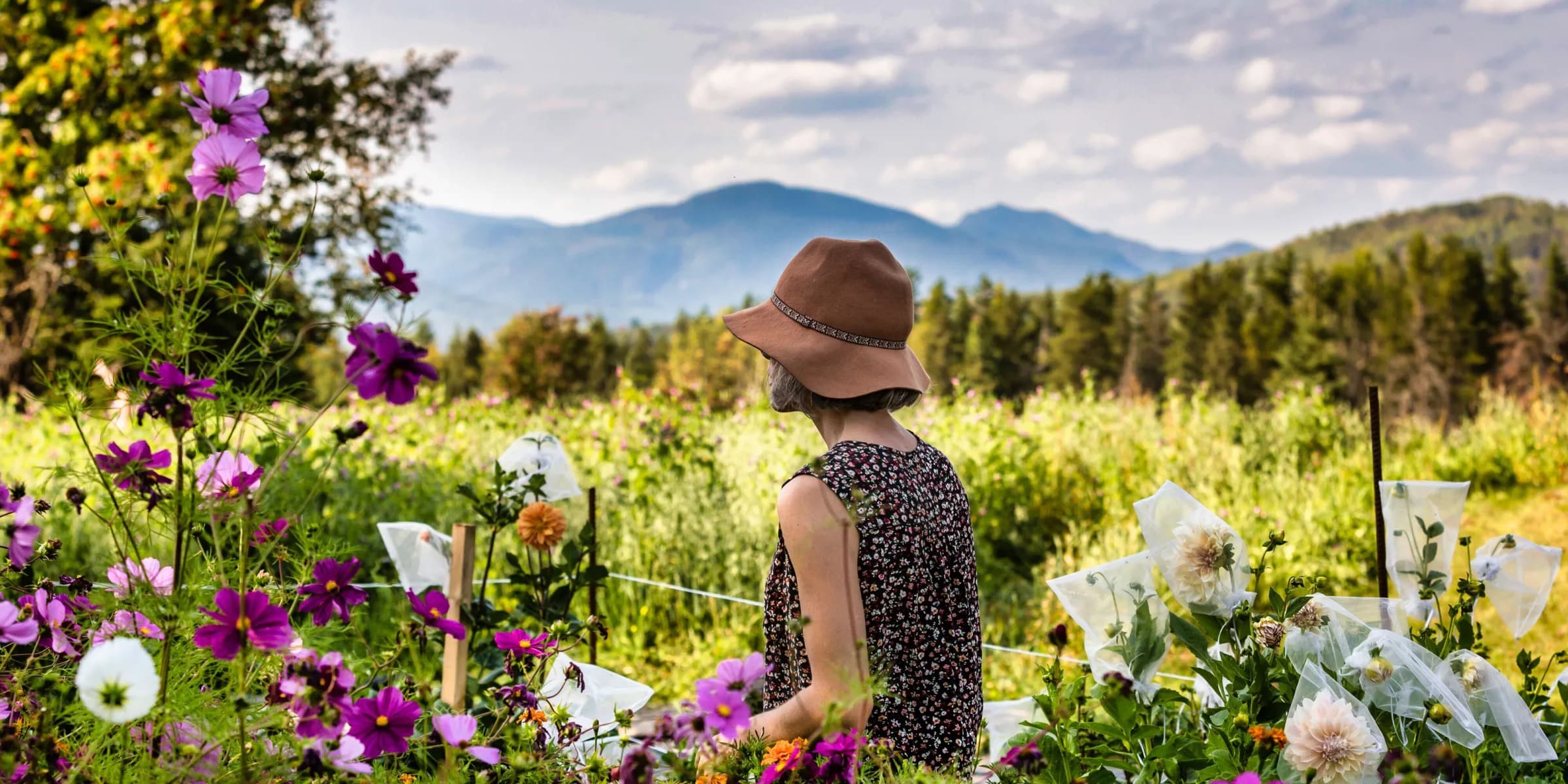
Agrotourism circuit in Charlevoix: cheese makers, cider houses, distilleries and farms to discover from La Malbaie. Guide to visits and économusées.
In Charlevoix, there is a way to discover the region that involves neither hiking trails nor museums: it is stepping through the doors of local producers. For close to thirty years, the Route des Saveurs (Flavour Trail) has connected over 80 artisans between Petite-Rivière-Saint-François and La Malbaie — cheese dairies where you watch the vats through large windows, century-old cider houses where a guide traces the apple's history, distilleries where you learn how river samphire ends up in a bottle of gin. It is not a marked circuit with a fixed start and finish: it is an invitation to wander through back roads, to stop when a sign catches your eye, to listen to a producer tell the story of their craft. In summer, when farm doors swing wide open and the économusées run at full capacity, the Flavour Trail becomes the best reason to slow down in Charlevoix.
A territory that shapes its artisans
Charlevoix was the first inhabited region in Canada to be designated a UNESCO World Biosphere Reserve, in 1988. The meteorite crater that carved the landscape 400 million years ago also created a microclimate and soils of remarkable fertility. It is within this basin that generations of producers have developed skills intimately tied to the land — skills they now open to the public.
The Route des Saveurs was born in 1997, when 27 chefs and producers decided to formalize what the region had been practising naturally: a proximity-based agriculture meant to be visited as much as tasted. Today, the network counts over 80 members and agrotourism generates five million dollars in direct annual economic impact in the region.
The cheese makers: witnessing a century of craft
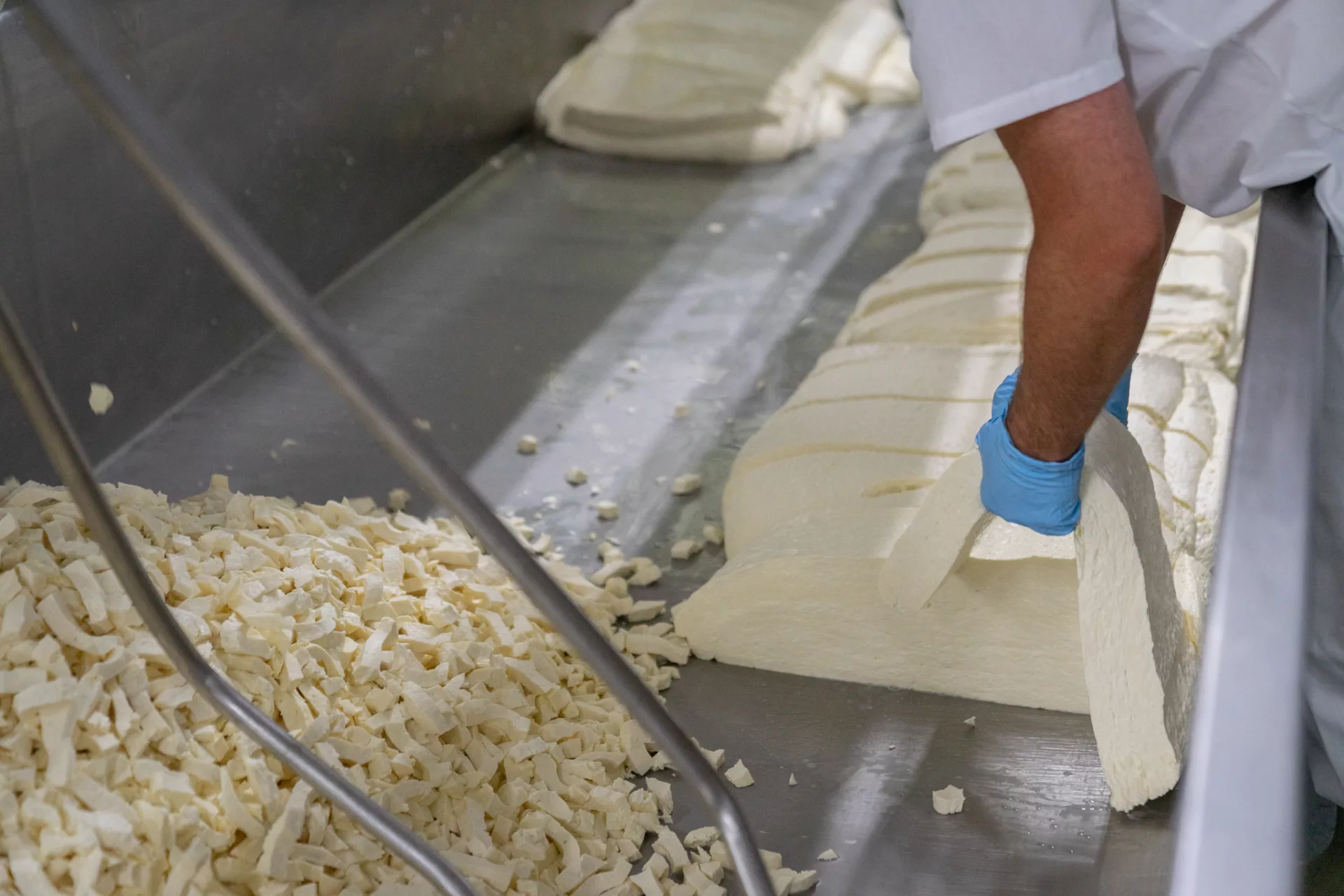
Cheese is likely the most natural gateway into Charlevoix agrotourism, and three addresses offer genuine visiting experiences.
Laiterie Charlevoix, in Baie-Saint-Paul, is a family institution founded in 1948 by Stanislas Labbé and Elmina Fortin. Four generations later, the Labbé family still produces aged cheddars and fine cheeses in this fromagerie turned Économusée. The visit takes you past large glass windows where you watch the cheese maker at work and follow each step from raw milk to aged wheel. It is one of the rare places where you can see, concretely, what four generations of transmitted knowledge look like in practice.
Just steps away, Famille Migneron de Charlevoix carries on the legacy of the Maison d'affinage Maurice-Dufour, established in 1994. Their Migneron de Charlevoix — a washed-rind cow's milk cheese — won the Grand Prix of Canadian Cheeses in 2002. A visit to their artisanal fromagerie reveals the art of aging and the breadth of their production: washed rinds, blue cheeses, alpine tommes and bloomy rinds, all crafted from Charlevoix herd milk.
Further east, Fromagerie St-Fidèle upholds a century of cheese-making tradition on boulevard Malcolm-Fraser in La Malbaie. Its shop, with refrigerated counters and the feel of a village fromagerie, is worth the stop for the fresh daily cheddar alone.
Cider houses and orchards: tracing the apple's journey
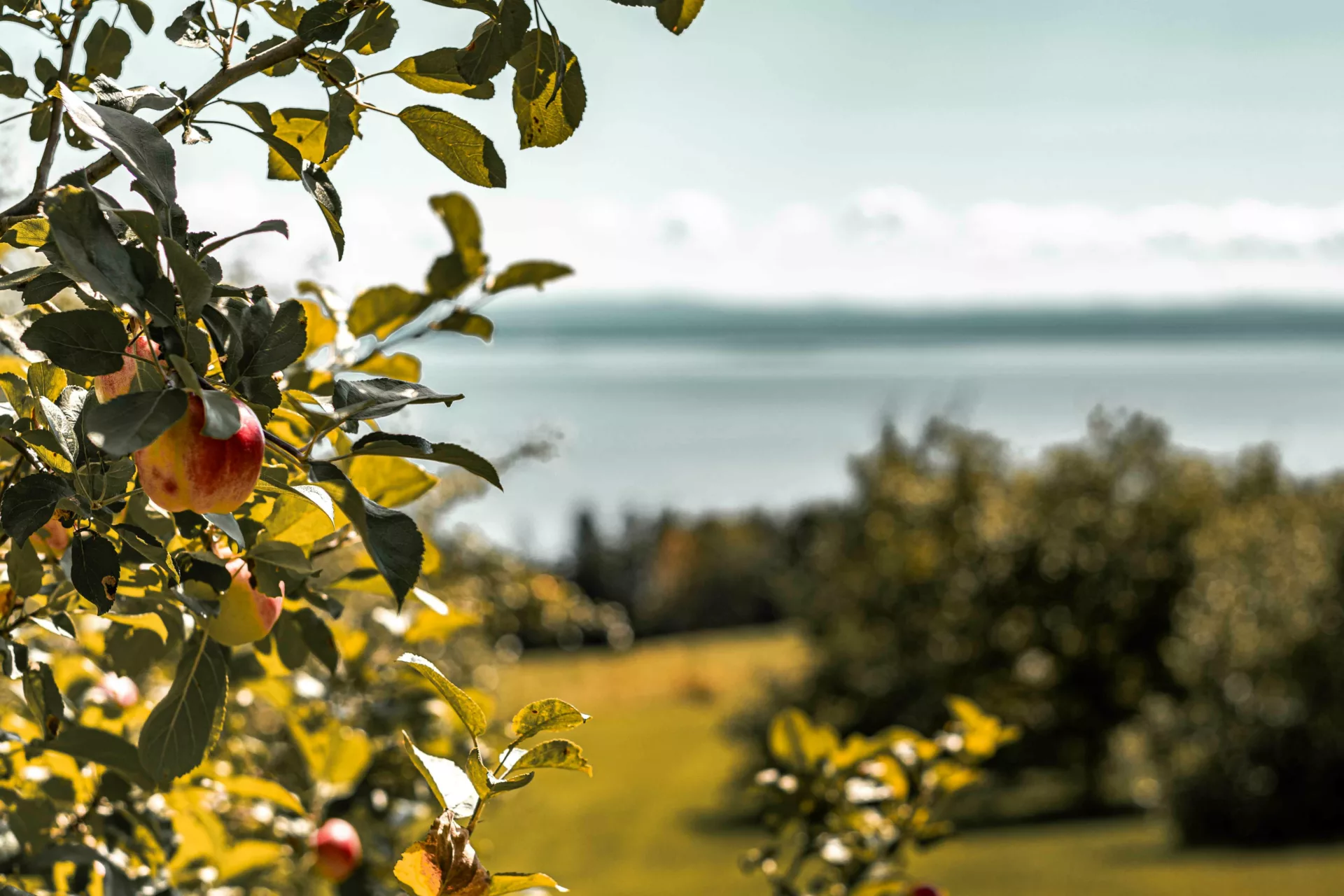
The apple sits at the heart of Charlevoix's agricultural identity, and nowhere more so than on Isle-aux-Coudres. Vergers Pedneault has been growing fruit trees on the island since 1918, when the family planted their first 300 apple trees with the help of a government grant. Today, the orchards span 22 hectares with over 6,000 apple trees of 35 varieties and 3,000 additional fruit trees — pear, plum and cherry. The Économusée du cidrier is the main attraction here: the guided tour traces the apple's journey from its Atlantic crossing to the shores of the St. Lawrence, passing through the cellar, the vinegar house and the cider house where some 100,000 bottles are produced each year. In autumn, pick-your-own adds a hands-on dimension to the experience.
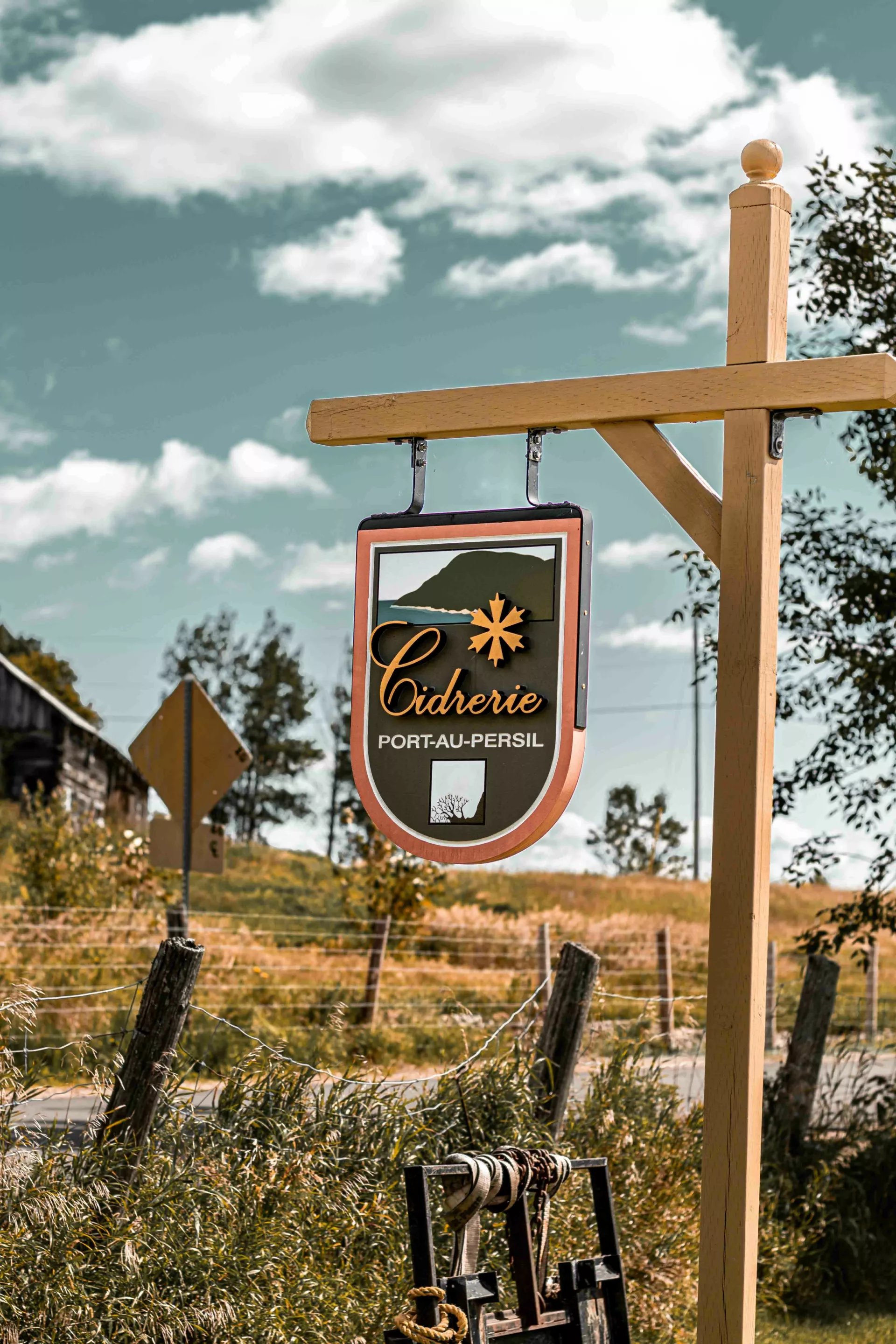
On the road to Saint-Siméon, Cidrerie Port-au-Persil is worth the stop as much for the setting as for the cider. The wooden sign appears around a bend, beside a heritage barn and a sweeping view of the river — the kind of place you discover by following Flavour Trail signs with no fixed plan.
Distilleries and breweries: behind the scenes
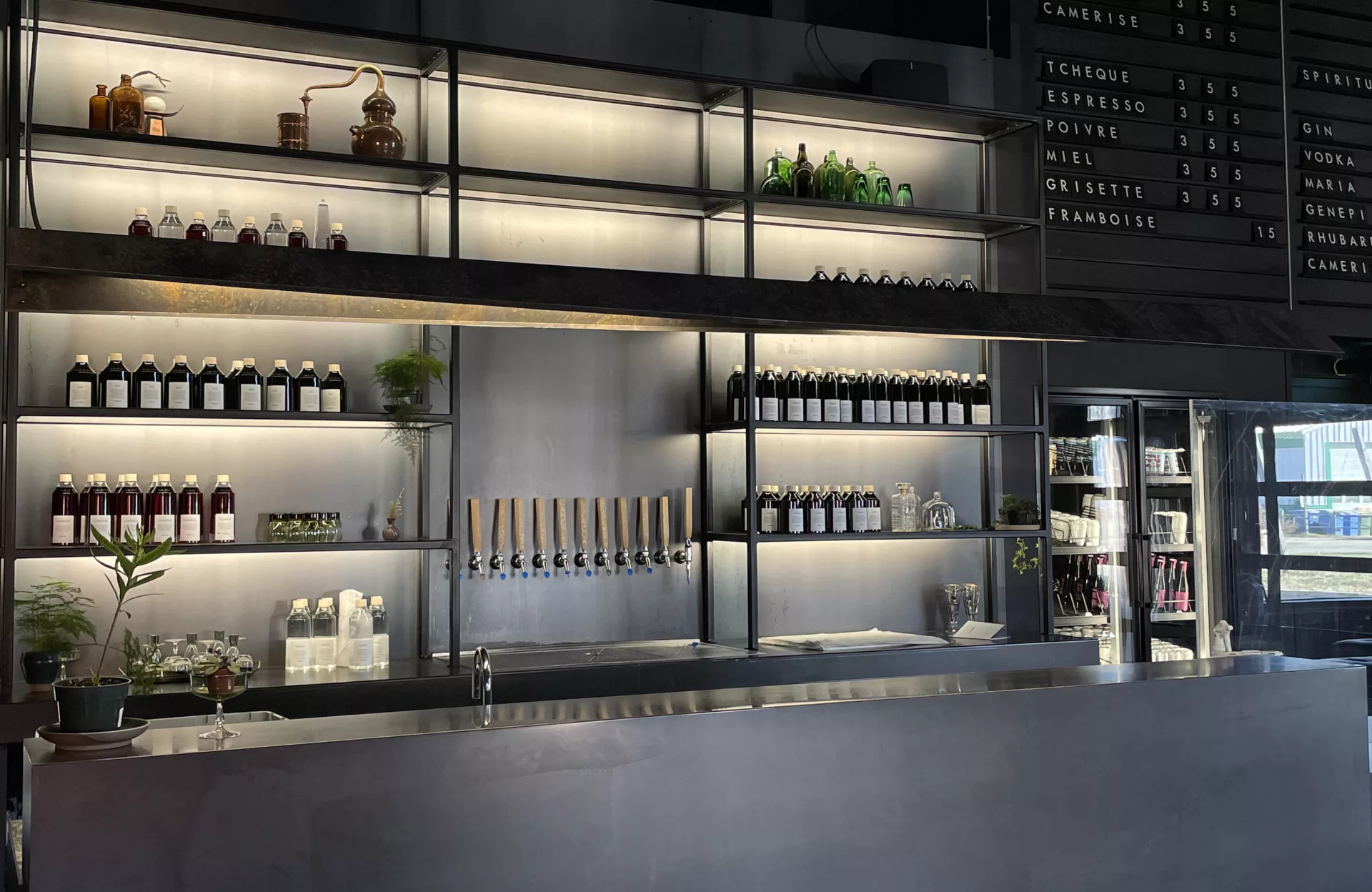
Charlevoix has seen the rise of a new generation of producers who readily open their workshops to visitors.
Menaud, in Clermont, operates as both a distillery and a brewery. Founded by five friends from the region, the company takes its name from the novel Menaud, maître-draveur by Félix-Antoine Savard, written in Clermont in 1937. A visit to the distillery reveals a production process rooted in the territory: the wheat and rye come from Isle-aux-Coudres, and local botanicals — including samphire from the river — are added during the third distillation. The outdoor terrace, lined with herb planters, makes a pleasant stop between visits.
Hydromel Charlevoix, at 49 rue Saint-Jean-Baptiste in Baie-Saint-Paul, combines beekeeping with artisanal production. The brand-new Économusée of honey wines and spirits, inaugurated in 2026, offers an immersive journey covering the entire chain: from the hive to bottling, including an interactive multimedia room. With some 200 hives spread across the region, it is also an opportunity to understand the role of beekeeping in the Charlevoix ecosystem.
MicroBrasserie Charlevoix, in Baie-Saint-Paul, is one of Quebec's craft brewing pioneers. Its shop lets you discover the Dominus Vobiscum, Flacatoune and Vache Folle lines right where they are brewed.
The farms: meeting the makers
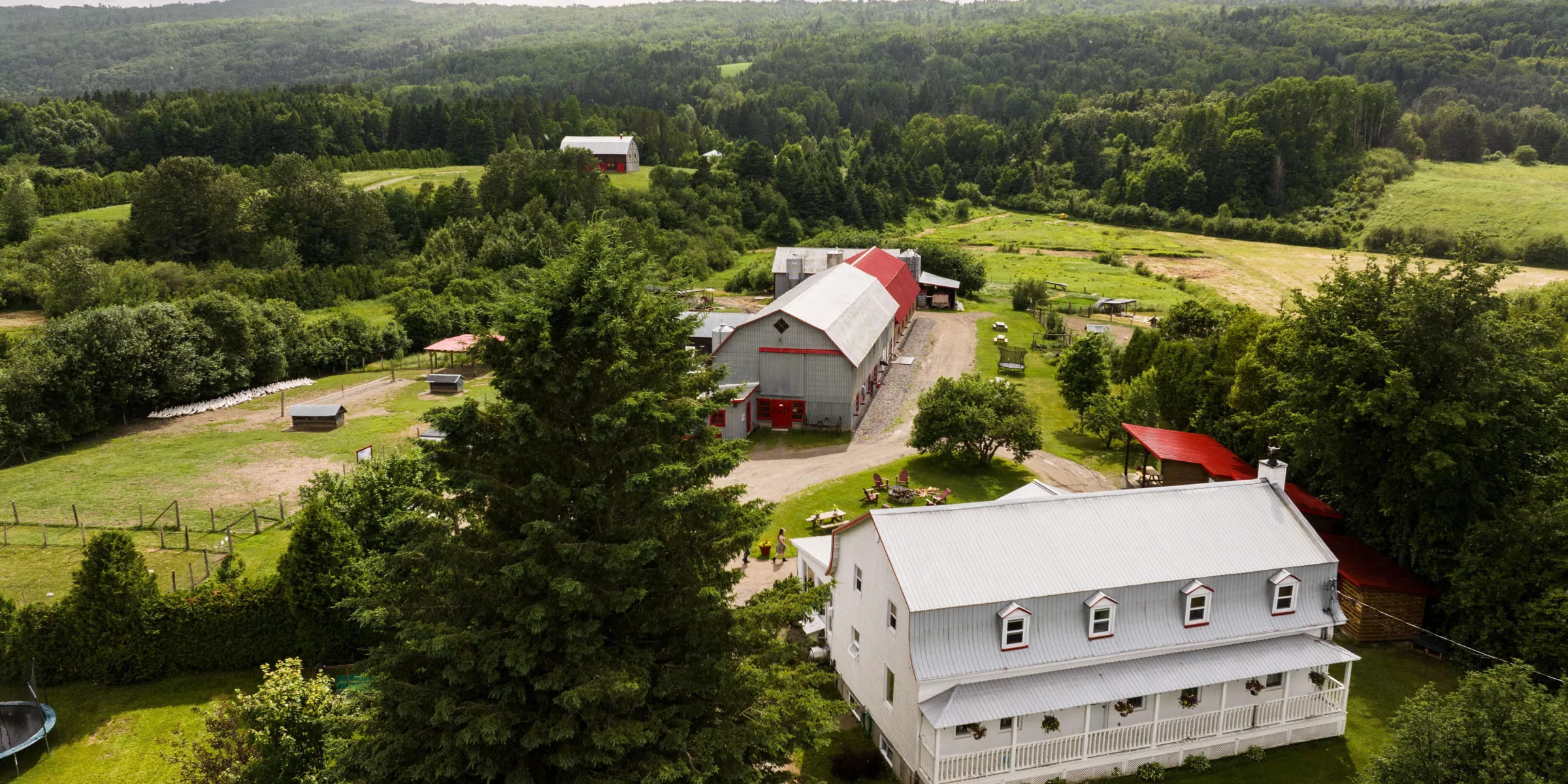
The Charlevoix hinterland is dotted with farms that welcome visitors — and it is often here that the most memorable encounters happen.
La Ferme Basque de Charlevoix, in Saint-Urbain, is run by a couple originally from the French Basque Country. Beyond the year-round shop, a farm visit lets you see the ducks in their enclosures and understand the traditional whole-kernel-corn fattening method — a craft imported directly from southwestern France and adapted to Charlevoix terroir.
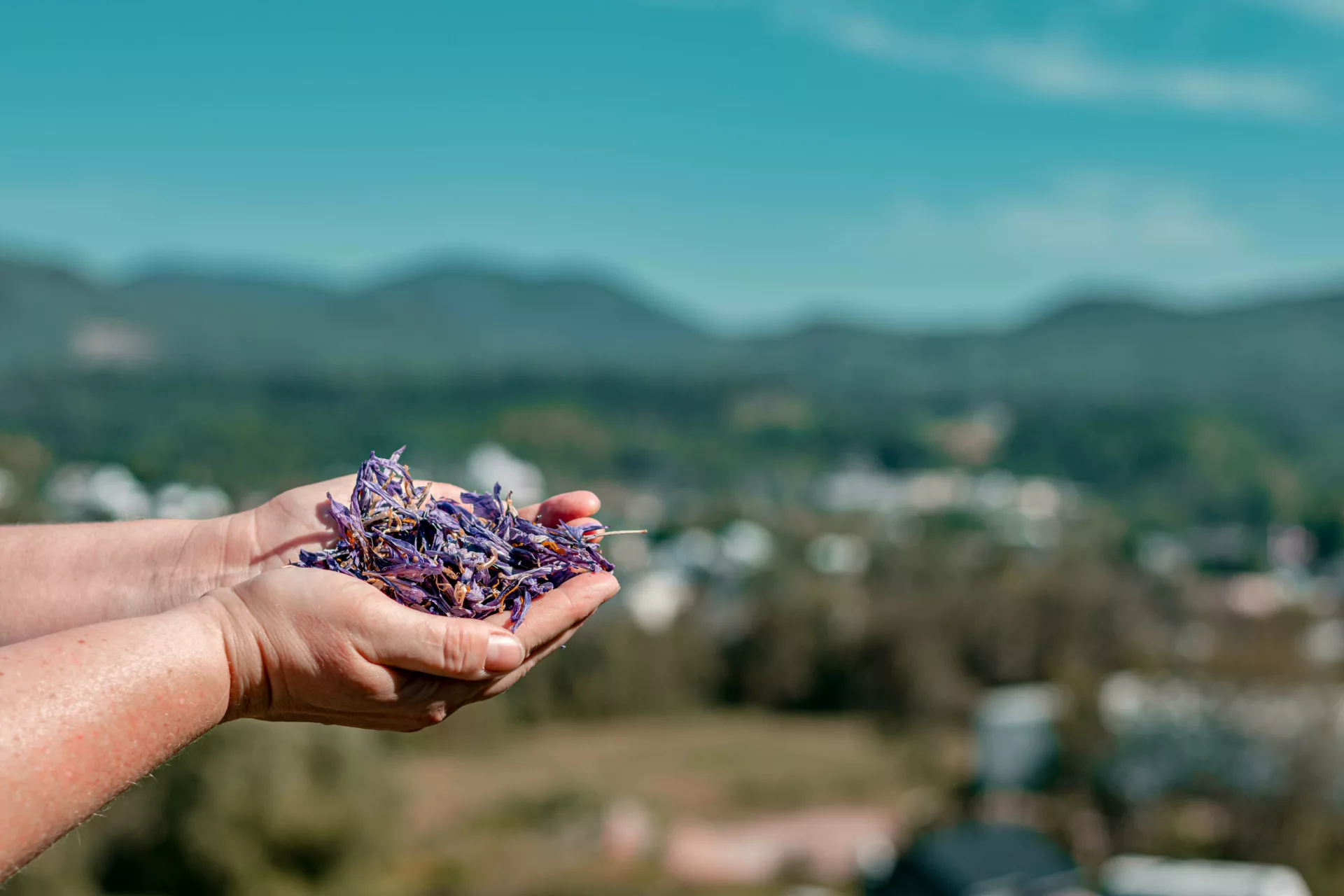
Safran Nordique, in Clermont, may be the most surprising stop on the trail. Geneviève Tremblay and Renald Lepage cultivate what is known as red gold on land with exceptional soil quality. The Économusée des safraniers offers guided tours of approximately one hour: you learn that the saffron crocus can grow under a northern climate, how the pistils are harvested by hand, and why this spice is the world's most expensive. The site, surrounded by mountains, is worth the visit on its own.
Champignons Charlevoix, in La Malbaie, opens the doors of its oyster mushroom production facility to visitors. The place is fascinating: you enter a controlled-environment growing room where mushrooms develop on carefully prepared substrates, a process the owners have been explaining with passion for over twenty years.
Markets and guided circuits
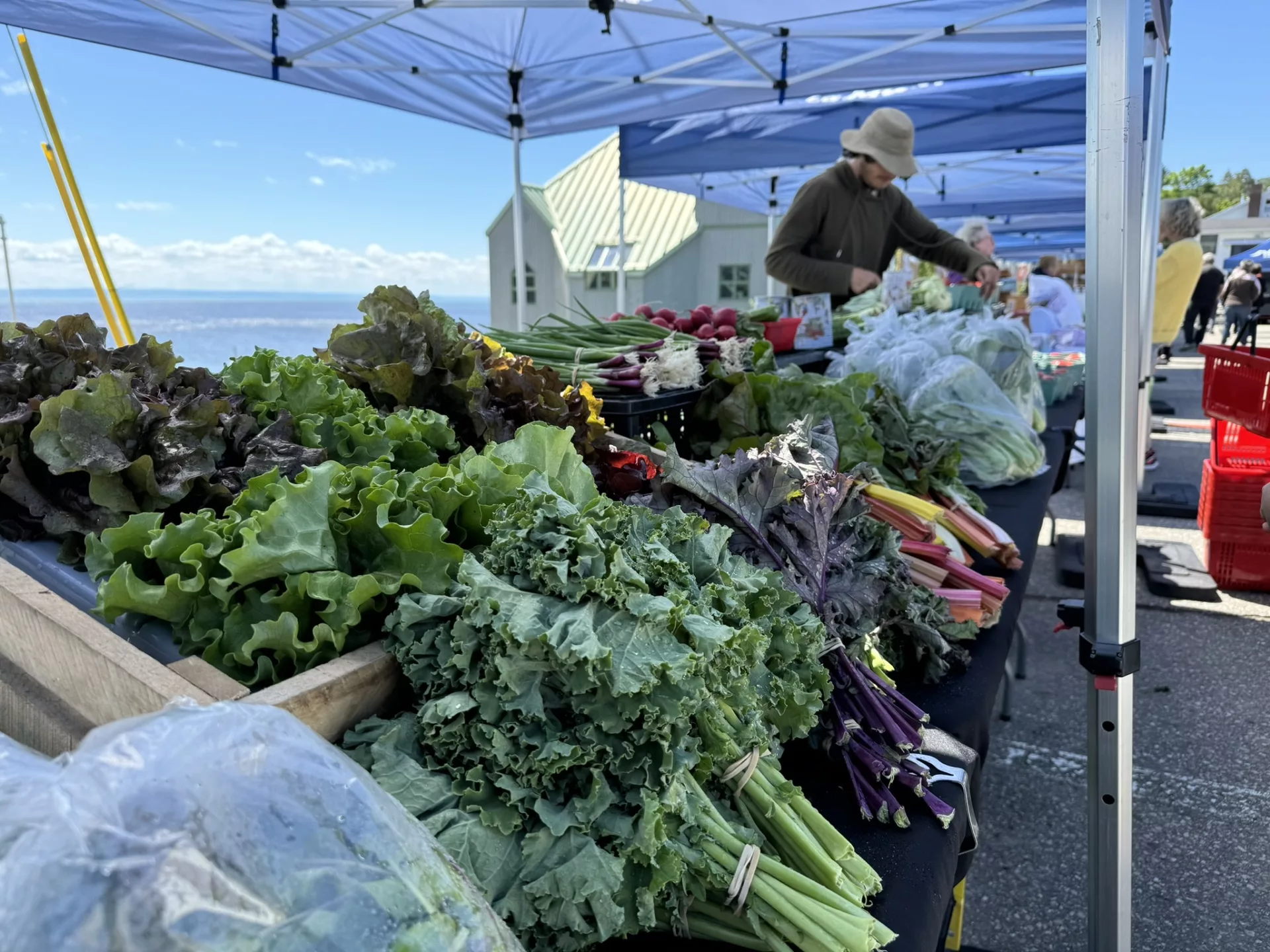
In summer, the public markets are the natural meeting point between visitors and producers. The La Malbaie public market runs Saturdays from 9:30 a.m. to 1:30 p.m. in the parking area of the Laure-Conan library. The atmosphere is relaxed, direct exchanges with producers are the norm, and you often leave with farm addresses to visit as a bonus. The Saint-Irénée public market transforms the Place de l'Église into a gathering place on three Friday evenings each summer, with the St. Lawrence as a backdrop.
For those who prefer to be guided, Agrotours organizes narrated small-group circuits that include transportation, producer visits and regional anecdotes. It is a way to discover the inner workings of a terroir without having to plan the itinerary yourself.
From the chalet
Chalet Le Littoral in Cap-à-l'Aigle, La Malbaie, sits at the geographic heart of the Flavour Trail — an ideal base from which to explore in every direction. Fromagerie St-Fidèle is about a ten-minute drive away, the La Malbaie public market under fifteen minutes, and Baie-Saint-Paul — with its fromageries, its mead Économusée and its microbrewery — roughly 45 minutes along the scenic river road. At the end of the day, after winding through back roads and économusées, the villa's terrace overlooking the St. Lawrence is the perfect place to reflect on the day's discoveries.
To round out your stay, browse our guide on things to do in Charlevoix or explore the region's outdoor activities.
Charlevoix Chalets offers two luxury chalets in La Malbaie (Cap-à-l'Aigle): Le Littoral (pool, sauna, spa), L'Embâcle (pool, spa). Book online or call 418 476-1442.